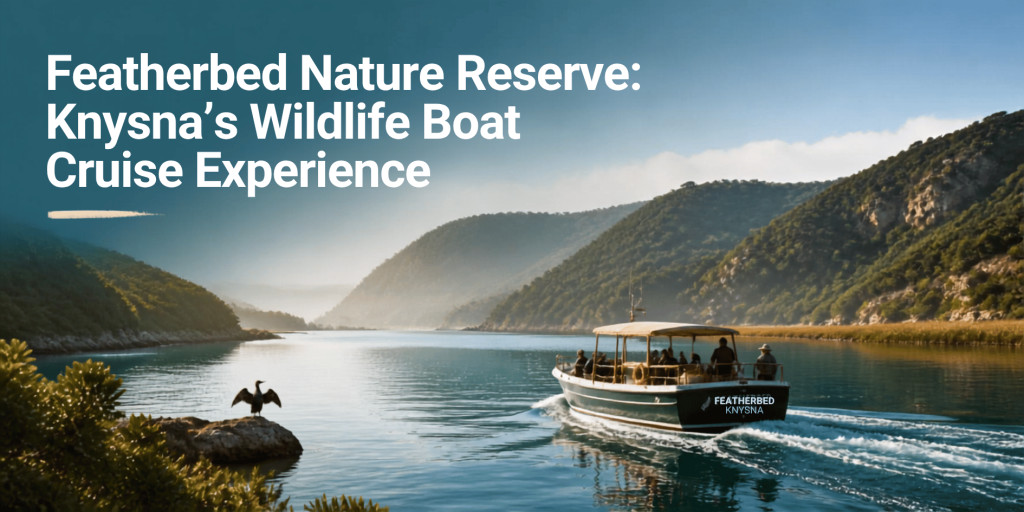
Reachable only by boat, Featherbed Nature Reserve sits on the western head of the Knysna Lagoon and offers one of the more complete nature experiences on the Garden Route, combining a scenic ferry crossing with guided walking trails through fynbos and coastal forest.
Getting There
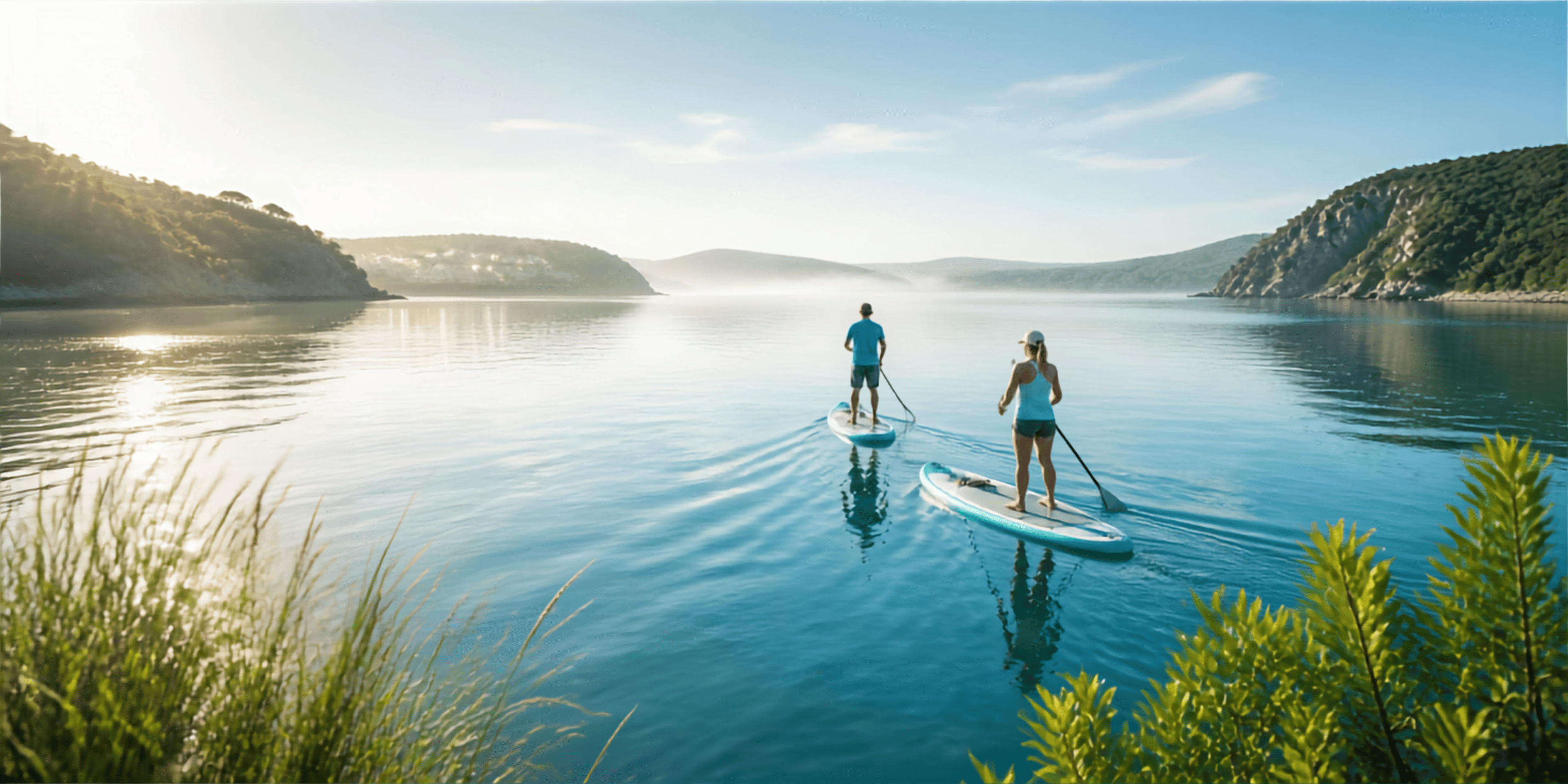
Access to Featherbed is via a short ferry trip departing from the Knysna Waterfront, crossing the lagoon toward the dramatic sandstone cliffs of the western head. The boat ride itself is worth the trip, offering views back toward Knysna and out to where the lagoon meets the open ocean at the famous Knysna Heads.
What to Expect on the Reserve
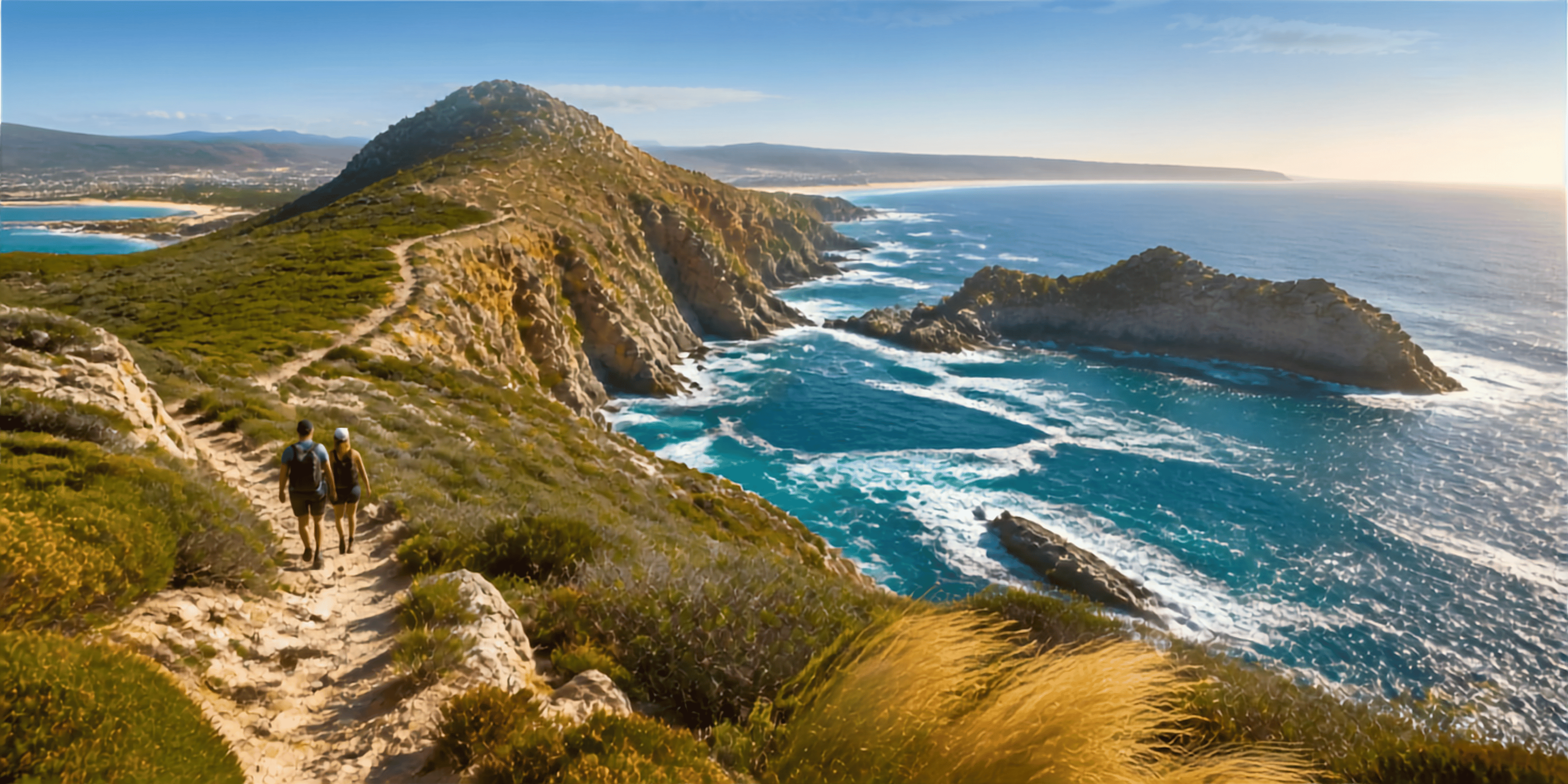
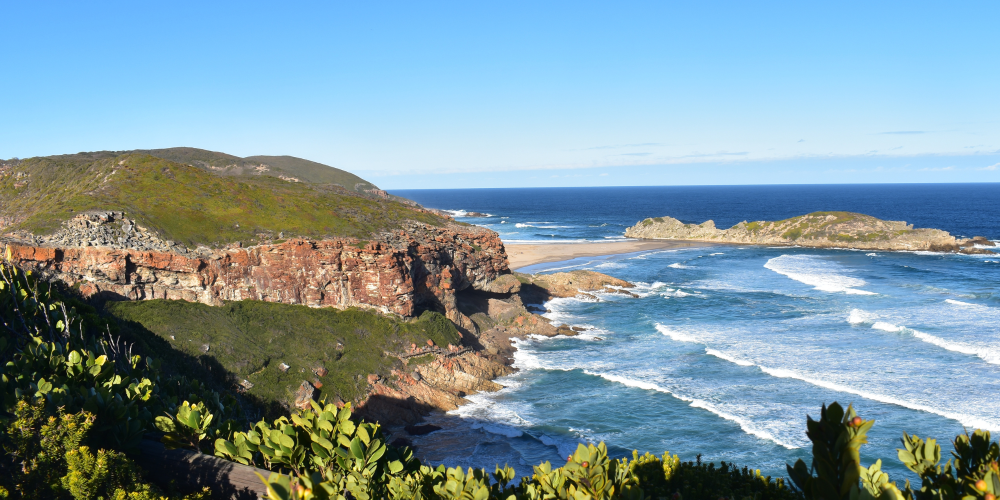
Once ashore, guided walks lead visitors through a mix of fynbos and milkwood forest, with knowledgeable guides pointing out indigenous plants, birdlife, and small mammals along the way. The walk includes viewpoints looking out over the lagoon mouth and the open sea, with the option of an easier or a slightly more strenuous route depending on fitness and time available.
Wildlife and Birdlife
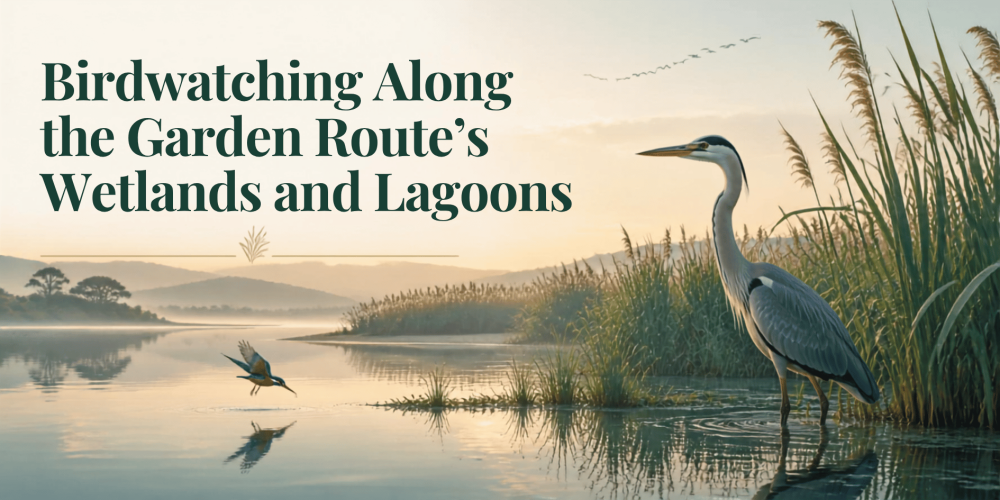
While Featherbed isn’t a big-game destination, its protected forest and fynbos habitat support a good variety of birdlife, small buck species, and other wildlife typical of the region’s coastal ecosystems. It’s a good option for visitors interested in the smaller, quieter side of Garden Route wildlife, rather than the more headline-grabbing whale or elephant encounters elsewhere.
The Full Experience
Many visits to Featherbed combine the boat trip and guided walk with a meal at the reserve’s restaurant, making it a half-day outing rather than a quick stop. It’s a popular choice for visitors who want a nature experience without a long hike, since the guided route is manageable for most fitness levels.
Tips for Visiting Featherbed Nature Reserve
- Book your ferry crossing in advance, particularly during peak holiday season.
- Wear comfortable walking shoes, since the terrain includes some uneven, rocky sections.
- Bring a camera for the boat crossing itself, which offers some of the best views of the Knysna Heads.
Choosing the Right Walking Route
Featherbed typically offers a choice between an easier, shorter walk and a longer, slightly more strenuous route down toward the water’s edge, with a shuttle available for those who prefer not to walk the steeper sections. Families with young children or visitors with limited mobility are usually well catered for, since the shuttle option allows everyone to still experience the key viewpoints without the full walking distance.
Why the Western Head Feels Different
Because access is limited to boat arrivals only, the western head has a noticeably quieter, more protected feel compared to more accessible viewpoints elsewhere along the lagoon. The fynbos here has also been left largely undisturbed, giving a good sense of what this stretch of coastline looked like before development reached the eastern side of the lagoon. It’s a useful contrast to keep in mind if you’ve already spent time walking around the busier Knysna Waterfront earlier in your trip.
Timing Your Visit
Weekday mornings tend to be quieter than weekends and school holidays, giving a more peaceful walk and better opportunities to spot birdlife and smaller mammals without a large group nearby. If you have flexibility in your travel dates, checking with the ferry operator about quieter time slots is worth doing, particularly if a calm, uncrowded nature experience matters more to you than convenience.
It’s also worth packing a light jacket even on a warm day, since the ferry crossing itself can feel breezier than the sheltered lagoon town you’re departing from.
Featherbed Nature Reserve is a good example of how much of the Garden Route’s wildlife and scenery can be reached without a car, just a short boat ride and a guided walk through some of the region’s most protected coastal habitat.