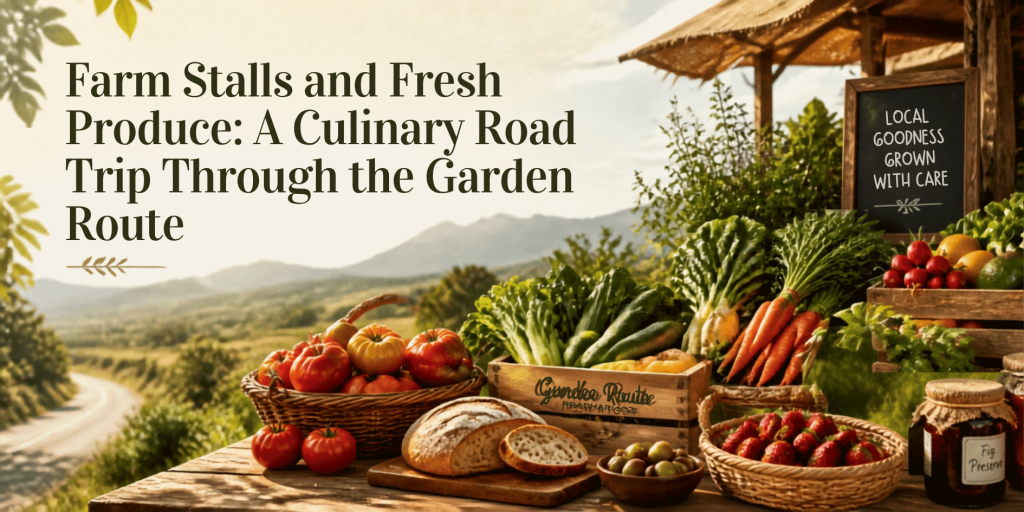
One of the simple pleasures of driving the Garden Route is the string of farm stalls that dot the N2 and its side roads. These small, family-run shops sell everything from just-picked strawberries to homemade jams, biltong, and fresh dairy, and stopping at a few of them turns an ordinary road trip into a slow-paced culinary tour.
Why Farm Stalls Matter Here
The Garden Route’s mild climate and fertile valleys make it ideal for small-scale farming, and many families have run the same roadside stalls for generations. Buying directly from these stalls supports local growers and usually means fresher, better-tasting produce than anything you’ll find in a supermarket. It’s also a chance to chat to the people who actually grow what you’re eating.
What to Look Out For
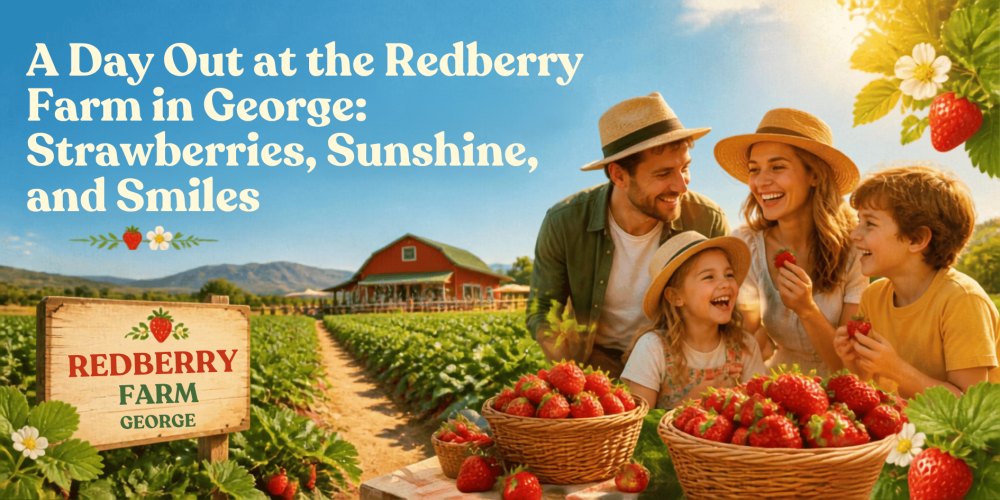
Strawberries are a Garden Route specialty, particularly around George, where farms like Redberry Farm let visitors pick their own. Further along, keep an eye out for stalls selling naartjies, litchis, and other seasonal fruit, as well as homemade rusks, biltong, and droëwors. Dairy farms in the region also produce excellent cheese, and several farm shops stock it alongside fresh bread and preserves.
A Few Stretches Worth Slowing Down For
Between Mossel Bay and George, several stalls sell fruit, honey, and dried fruit combos perfect for snacking in the car. Around Wilderness and Sedgefield, look for smaller stands selling seasonal vegetables and homemade baked goods. Closer to Plettenberg Bay and the Tsitsikamma forests, farm shops often stock locally made chutneys, jams, and craft products alongside fresh produce, making them good stops for picking up gifts to take home.
Tips for a Good Farm Stall Trip
- Bring a cooler bag if you’re buying dairy, meat, or anything that needs to stay cool for the rest of your drive.
- Carry small notes and coins. Many smaller stalls are cash-only or have limited card facilities.
- Ask what’s in season. Farm stall staff usually know exactly what’s freshest that week.
- Don’t rush. Half the appeal is the unplanned stop you didn’t know you needed.
Supporting Small Producers
Many of the farms behind these roadside stalls operate on a much smaller scale than the fruit and vegetable suppliers found in big supermarket chains, and buying directly makes a real difference to their livelihoods. It’s also a chance to ask questions you’d never get answered in a shop, like how a particular variety of strawberry was bred for the local climate, or why one season’s citrus crop tastes noticeably different from the last. These small conversations often end up being some of the more memorable moments of a Garden Route road trip.
Building a Farm Stall Route Into Your Trip
If you want to make farm stalls a real feature of your drive rather than an occasional stop, plan your route with a rough list of towns and known stalls in mind, and build in extra time between destinations. Rather than driving straight from Mossel Bay to Plettenberg Bay, for example, treat the drive itself as part of the day, stopping wherever a stall or sign catches your eye. A loosely planned itinerary like this often turns up better finds than following a fixed list, since farm stalls change with the seasons and sometimes appear and disappear from year to year.
A Note on Seasonality
What’s available at any given stall shifts noticeably through the year, with strawberries and other soft fruit peaking in spring and early summer, and citrus becoming more prominent later in the year. If you’re travelling with a specific harvest in mind, it’s worth checking roughly when it’s in season before you go, since arriving a few weeks too early or late can mean missing out on the exact produce you were hoping to find.
Next time you’re driving the Garden Route, build in a little extra time for these roadside stops. They’re a small but memorable part of what makes this stretch of coastline so enjoyable to explore slowly.