
Most travellers pass through George on their way to the coast, treating it as a fuel and grocery stop before continuing on to Wilderness, Knysna, or Plettenberg Bay. That’s a shame, because George is one of the oldest towns in the region and has a cultural and historical side worth a slower look.
A Brief History
Founded in the late 18th century and named after King George III of England, George grew up around the timber industry that once dominated the surrounding forests. Its old buildings, oak-lined streets, and church architecture reflect this long history, and the town has managed to hold onto a sense of place that some of the more tourist-focused coastal towns have lost.
Museums and Historical Sites
The town’s local museum offers a window into the region’s timber, transport, and settler history, with exhibits covering everything from the old Outeniqua Choo-Tjoe railway to early Cape Dutch architecture. Nearby, several old churches and public buildings are worth a walk-past even if you don’t go inside, particularly along the town’s older streets where oak trees planted generations ago still line the pavements.
Local Markets and Flavor
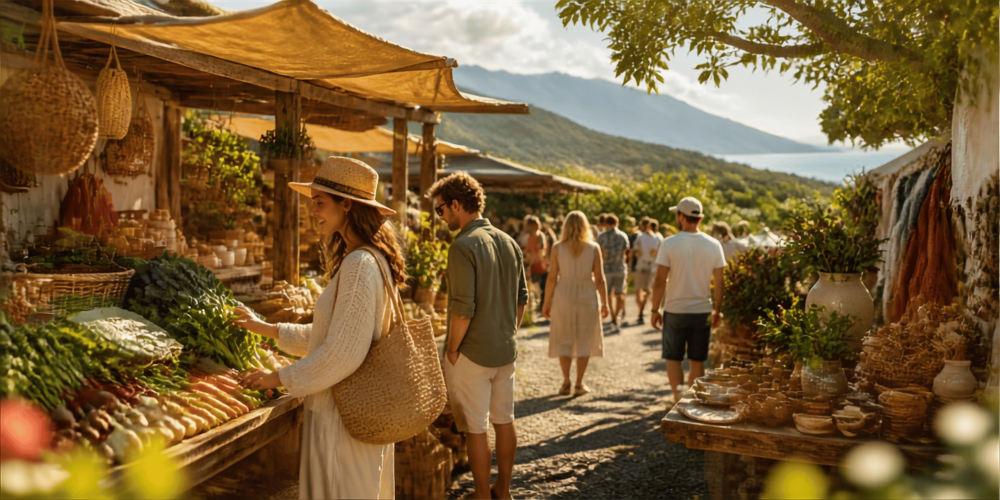
George’s markets and smaller shops are a good place to pick up local crafts, produce, and baked goods, and the town has a growing number of cafes and restaurants serving both Cape Malay and traditional Afrikaans dishes alongside more international fare. If you’re interested in the region’s culinary heritage, this is a good place to try dishes like bobotie, potjiekos, or a proper malva pudding.
Getting a Sense of the Town
George is best explored on foot for an hour or two, ideally combined with a coffee stop and a visit to the local museum. It also makes a useful base for day trips into the mountains via the Outeniqua Pass, or down to the coast at Victoria Bay, a short drive away.
Tips for Visiting
- Set aside at least half a day if you want to see more than just the highway strip malls.
- Ask locally about smaller, family-run restaurants, which often serve the most authentic regional dishes.
- Combine a George stop with a scenic drive up the Outeniqua Pass for mountain views before heading back to the coast.
The Old Railway Legacy
George’s connection to the old Outeniqua Choo-Tjoe steam railway is one of its more distinctive historical threads. Though the full passenger line no longer runs as it once did, remnants of the railway’s history are preserved in the town’s museum and in the old station buildings, offering a glimpse into an era when timber, produce, and passengers moved along this coast by rail rather than road. For anyone interested in transport history, this is a small but rewarding detour.
A Good Base for Exploring Inland
Beyond its own attractions, George’s location makes it a practical base for exploring inland toward the Klein Karoo, with the Outeniqua and Montagu passes both starting nearby. This means a stay in George can combine coastal time with an easy day trip into a completely different landscape, without needing to change accommodation. It’s a detail that’s easy to overlook if you’re only thinking of George as a highway stop rather than a base in its own right.
Practical Reasons to Base Yourself Here
George also has South Africa’s third-oldest airport, giving it good flight connections to Johannesburg and Cape Town, along with a wider range of accommodation, shopping, and medical facilities than the smaller coastal towns nearby. For travellers who want a comfortable, well-equipped base with easy access to both the coast and the mountains, George is a practical choice, even if it lacks the postcard appeal of Knysna or Plettenberg Bay.
George rarely makes it onto a Garden Route highlights list, but its history and local character make it worth more than a quick petrol stop next time you’re passing through.